
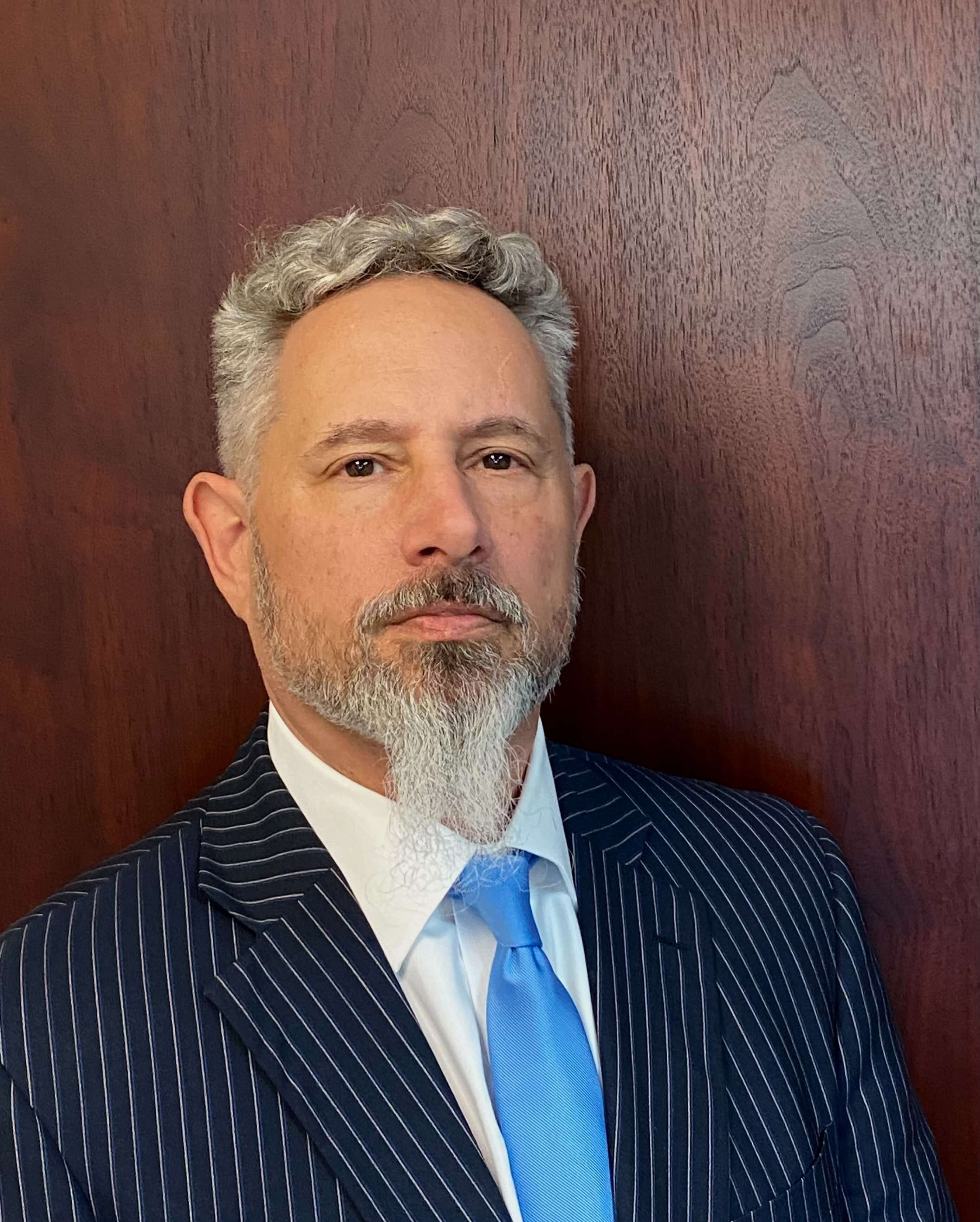
Attorney
People charged with DWI assume they can negotiate the charge down to a lesser offense. In North Carolina, however, DWI cases are treated differently from many other criminal cases. State law limits prosecutors’ ability to reduce or dismiss DWI charges through traditional plea bargaining.
That does not mean a favorable resolution is impossible. Depending on the facts of the case, a Hendersonville DWI attorney can help to challenge the evidence, negotiate certain aspects of the case, and work to reduce the impact of a conviction.
Can a DWI Be Reduced to a Lesser Charge in North Carolina?
In many states, prosecutors may agree to reduce a drunk driving charge to a lesser offense as part of a plea agreement. North Carolina generally does not allow this practice.
State law restricts prosecutors from reducing an impaired driving charge to another offense simply to avoid a DWI conviction. As a result, plea bargains that convert a DWI into a lesser traffic violation are uncommon.
This is one reason DWI cases often require a close examination of the evidence. Rather than focusing solely on charge reductions, the defense may challenge the prosecution’s ability to prove the case beyond a reasonable doubt.
Does That Mean Plea Negotiations Never Happen?
No. While reducing a DWI charge may not be an option in most cases, negotiations can still occur.
For example, the parties may discuss:
- Sentencing issues
- Aggravating and mitigating factors
- Factual disputes related to the arrest
- Whether certain evidence should be admitted
- Resolution of related charges arising from the same incident
The specific opportunities for negotiation depend on the facts of the case and the strength of the evidence.
What Evidence Is Commonly Challenged in a DWI Case?
Every DWI arrest involves a series of decisions and procedures that must comply with legal requirements. If law enforcement makes mistakes, those issues may affect the prosecution’s case.
Potential areas of challenge include:
- The legality of the traffic stop
- Field sobriety testing procedures
- Chemical breath test administration
- Officer observations and reports
- Constitutional issues involving searches or questioning
A successful challenge may weaken the prosecution’s evidence and improve the defendant’s position during negotiations or trial.
Can a DWI Attorney Help You Avoid a Conviction?
No attorney can guarantee a particular result. However, a DWI lawyer can evaluate the evidence, identify potential defenses, and advise you regarding your options.
In some cases, the evidence may support seeking a dismissal. In others, the focus may be on limiting penalties, challenging aggravating factors, or preparing the strongest possible defense for trial.
Because North Carolina’s DWI laws are highly technical, having experienced counsel can make a significant impact on the outcome of your case.
What Happens If You Plead Guilty to a DWI?
A guilty plea results in a DWI conviction and moves the case into the sentencing phase.
North Carolina uses a sentencing system that considers aggravating and mitigating factors when determining the appropriate punishment. Depending on the circumstances, penalties may include:
- Fines
- Jail time
- Probation
- Substance abuse assessment and treatment requirements
- Driver’s license consequences
The sentencing level imposed by the court can substantially affect the severity of the penalties.
Should You Accept the First Offer in a DWI Case?
Before making any decision, it is important to understand the strength of the evidence, the potential defenses available, and the long-term consequences of a conviction.
Accepting a plea agreement without fully evaluating the case may cause you to overlook defenses or legal issues that could affect the outcome. An experienced DWI attorney can review the evidence and help you make an informed decision based on your circumstances.
Talk to a North Carolina DWI Attorney About Your Options
While North Carolina limits traditional DWI plea bargaining, that does not mean you are without options. Every case presents different facts, legal issues, and opportunities for defense.
If you have been charged with DWI in Hendersonville, Columbus, or the surrounding areas, Sheffron Law Firm can help you determine the best path forward. Contact us today for a consultation.