
Share on Facebook
Share on X
Share on LinkedIn
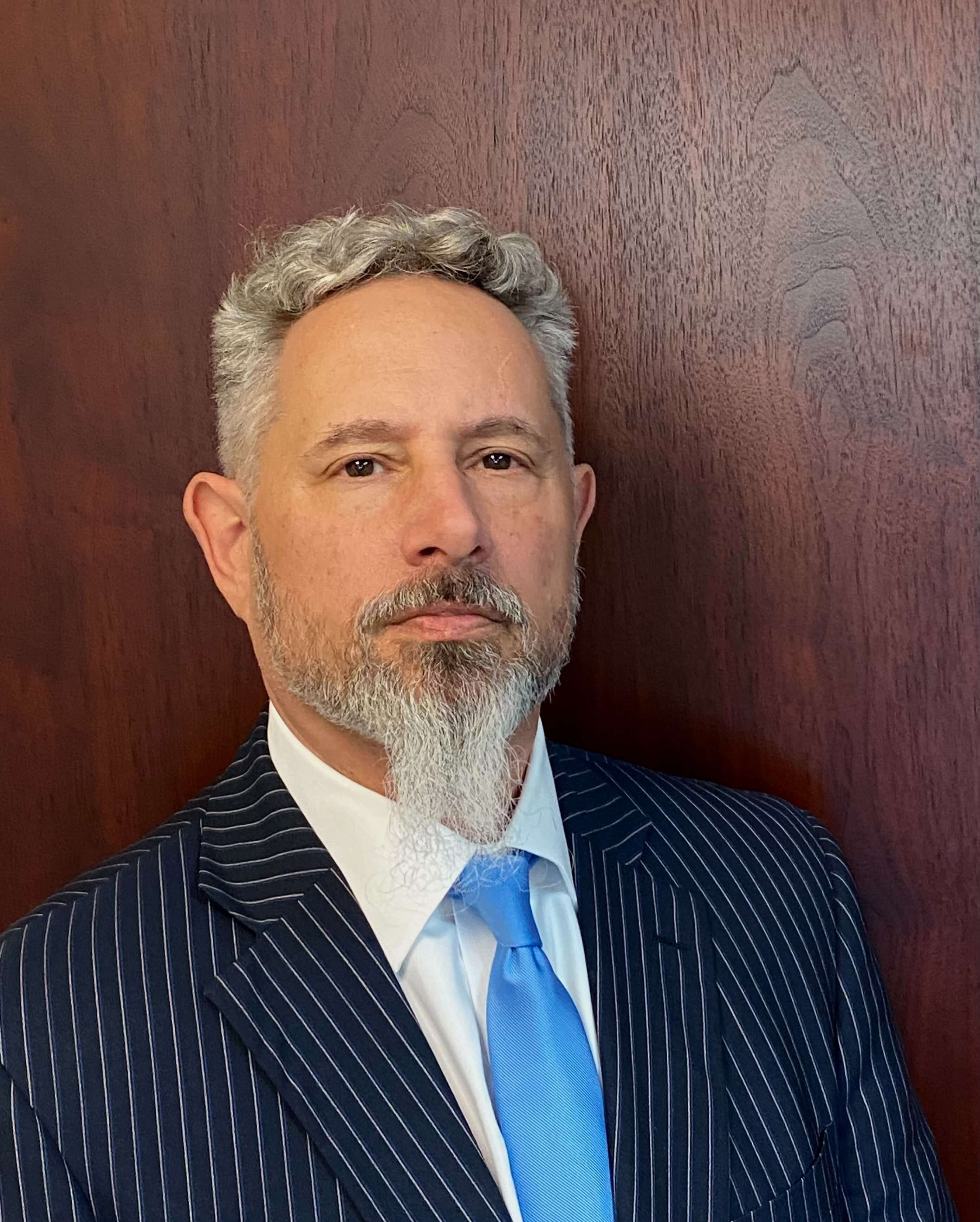
By Scott Sheffron
Attorney

Yes, you can refuse a breathalyzer test in North Carolina, but doing so carries immediate legal consequences. Under the state’s implied consent law, drivers are required to submit to chemical testing after a lawful DWI arrest. Refusing to take a test can lead to automatic license revocation and may also affect how a DWI case is presented in court.

What Is North Carolina’s Implied Consent Law?

North Carolina’s implied consent law applies to anyone who drives on public roads in the state. By driving, you are considered to have already agreed to chemical testing of your breath or blood if a law enforcement officer has reasonable grounds to believe you were driving while impaired.

This law applies after an arrest, not during roadside questioning. While you can legally say no to a breathalyzer or other chemical test, the law allows the state to impose civil penalties for refusal, regardless of whether you are later convicted of DWI.

What Happens Immediately If You Refuse a Breathalyzer?

One of the most serious consequences of refusing a breathalyzer is the impact on your driver’s license. These penalties begin quickly and are handled separately from the criminal case.

If you refuse testing, you may face:

  • Immediate confiscation of your driver’s license
  • A civil license revocation, often lasting one year for a first refusal
  • Restrictions that apply even if DWI charges are reduced or dismissed

These license penalties are administrative, not criminal. That distinction often surprises drivers, especially those in Hendersonville or Columbus who rely on driving for work, school, or family responsibilities.

How Refusing a Breathalyzer Affects a DWI Case

Refusing a breathalyzer does not stop the state from charging you with DWI. Prosecutors can and do move forward without chemical test results.

In cases without a breath test, the state may rely on:

  • Officer observations
  • Field sobriety tests
  • Driving behavior
  • Statements made during the stop

While the absence of a breath test removes one piece of evidence, it does not prevent prosecution. In some situations, refusal can actually shift more attention to other aspects of the arrest.

Can the Prosecution Use Refusal Against You?

Yes. In North Carolina, prosecutors are generally allowed to tell the court that a driver refused chemical testing. They may argue that refusal suggests the driver was trying to avoid producing evidence of impairment.

A refusal does not, on its own, prove guilt, but it can influence how a judge or jury views the case. This is one reason refusal decisions carry risk, even when a driver believes testing may not help their situation.

Is Refusing a Breathalyzer Ever Advisable?

There is no universal answer to this question. Whether refusal makes sense depends on the specific circumstances of the stop and the driver’s history.

Factors that may affect the decision include:

  • Whether you believe your alcohol level is clearly above the legal limit
  • Prior DWI convictions or prior refusals
  • The likelihood of license suspension versus criminal penalties
  • Whether there may be issues with the stop, arrest, or testing procedures

Refusal is a legal right, but it is not consequence-free. Understanding both sides of the decision matters more than relying on general advice.

What to Do If You Refuse or Are Asked to Take a Breathalyzer

If you have refused a breathalyzer, timing matters. There are deadlines related to license revocation and limited driving privileges that can be missed easily.

Drivers should focus on:

  • Understanding the civil license revocation process
  • Identifying whether limited driving privileges may be available
  • Preparing for a criminal DWI case that may proceed without test results

Addressing both the license issue and the court case early helps avoid unnecessary setbacks.\

Talk to a DWI Lawyer After a Breathalyzer Refusal

Refusing a breathalyzer test in North Carolina triggers immediate penalties and can shape how a DWI case unfolds. While refusal is legally allowed, it often results in automatic license revocation and may be used as evidence by the prosecution. For drivers in Hendersonville and Columbus, these consequences can quickly affect daily life. 

At Sheffron Law Firm, we help clients understand how implied consent laws apply, what steps to take after a refusal, and how to address both license and criminal issues. If you are facing questions about a breathalyzer test or a DWI charge, connect with us today so we can help you make informed decisions about what comes next.

About the Author

Yes, you can refuse a breathalyzer test in North Carolina, but doing so carries immediate legal consequences. Under the state’s implied consent law, drivers are required to submit to chemical testing after a lawful DWI arrest. Refusing to take a test can lead to automatic license revocation and may also affect how a DWI case is presented in court.

What Is North Carolina’s Implied Consent Law?

North Carolina’s implied consent law applies to anyone who drives on public roads in the state. By driving, you are considered to have already agreed to chemical testing of your breath or blood if a law enforcement officer has reasonable grounds to believe you were driving while impaired.

This law applies after an arrest, not during roadside questioning. While you can legally say no to a breathalyzer or other chemical test, the law allows the state to impose civil penalties for refusal, regardless of whether you are later convicted of DWI.

What Happens Immediately If You Refuse a Breathalyzer?

One of the most serious consequences of refusing a breathalyzer is the impact on your driver’s license. These penalties begin quickly and are handled separately from the criminal case.

If you refuse testing, you may face:

  • Immediate confiscation of your driver’s license
  • A civil license revocation, often lasting one year for a first refusal
  • Restrictions that apply even if DWI charges are reduced or dismissed

These license penalties are administrative, not criminal. That distinction often surprises drivers, especially those in Hendersonville or Columbus who rely on driving for work, school, or family responsibilities.

How Refusing a Breathalyzer Affects a DWI Case

Refusing a breathalyzer does not stop the state from charging you with DWI. Prosecutors can and do move forward without chemical test results.

In cases without a breath test, the state may rely on:

  • Officer observations
  • Field sobriety tests
  • Driving behavior
  • Statements made during the stop

While the absence of a breath test removes one piece of evidence, it does not prevent prosecution. In some situations, refusal can actually shift more attention to other aspects of the arrest.

Can the Prosecution Use Refusal Against You?

Yes. In North Carolina, prosecutors are generally allowed to tell the court that a driver refused chemical testing. They may argue that refusal suggests the driver was trying to avoid producing evidence of impairment.

A refusal does not, on its own, prove guilt, but it can influence how a judge or jury views the case. This is one reason refusal decisions carry risk, even when a driver believes testing may not help their situation.

Is Refusing a Breathalyzer Ever Advisable?

There is no universal answer to this question. Whether refusal makes sense depends on the specific circumstances of the stop and the driver’s history.

Factors that may affect the decision include:

  • Whether you believe your alcohol level is clearly above the legal limit
  • Prior DWI convictions or prior refusals
  • The likelihood of license suspension versus criminal penalties
  • Whether there may be issues with the stop, arrest, or testing procedures

Refusal is a legal right, but it is not consequence-free. Understanding both sides of the decision matters more than relying on general advice.

What to Do If You Refuse or Are Asked to Take a Breathalyzer

If you have refused a breathalyzer, timing matters. There are deadlines related to license revocation and limited driving privileges that can be missed easily.

Drivers should focus on:

  • Understanding the civil license revocation process
  • Identifying whether limited driving privileges may be available
  • Preparing for a criminal DWI case that may proceed without test results

Addressing both the license issue and the court case early helps avoid unnecessary setbacks.\

Talk to a DWI Lawyer After a Breathalyzer Refusal

Refusing a breathalyzer test in North Carolina triggers immediate penalties and can shape how a DWI case unfolds. While refusal is legally allowed, it often results in automatic license revocation and may be used as evidence by the prosecution. For drivers in Hendersonville and Columbus, these consequences can quickly affect daily life. 

At Sheffron Law Firm, we help clients understand how implied consent laws apply, what steps to take after a refusal, and how to address both license and criminal issues. If you are facing questions about a breathalyzer test or a DWI charge, connect with us today so we can help you make informed decisions about what comes next.

Posted in DWI